Important things to know
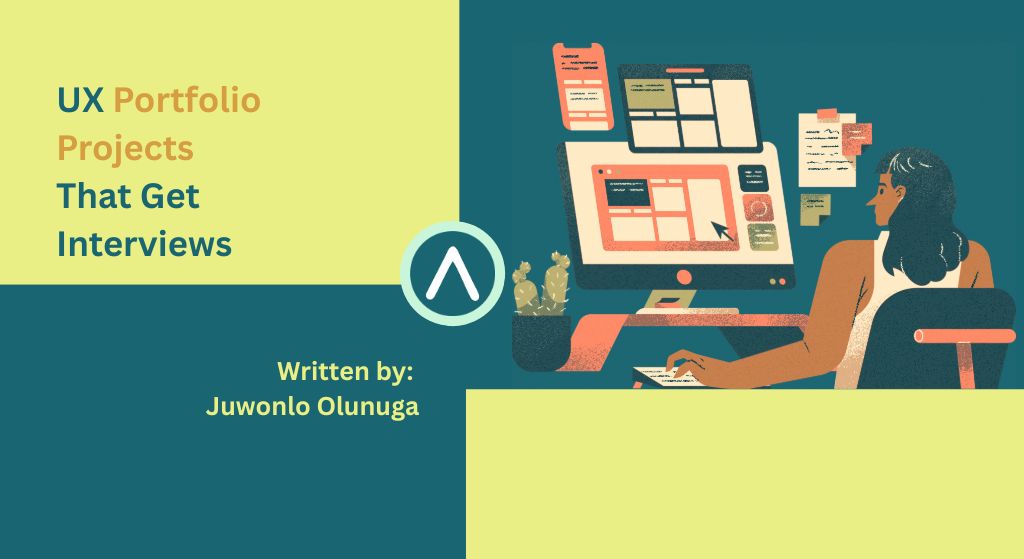
Trying to break into tech, whether you’re in the UK, US, or Canada, takes more than just a slick-looking portfolio. You’ve got to prove you can solve real problems, think strategically, and actually roll up your sleeves on projects that show you’re ready for the job.
If you’re just getting started, or if you’re an African professional looking to make the leap into tech roles abroad, your portfolio has to do more than just look polished. It should shout, “I know how teams really work, and you can count on me to get things done.” Here’s how you can pull that off and actually land some interviews.
1. Go Beyond Just Polished Screens
It’s tempting to stock your portfolio with redesigns of big name apps, Spotify, Netflix, you know the drill. But recruiters can spot those Daily UI projects right away. They care way more about how you manage messy, real-life challenges.
They want proof that you can:
• Balance business goals with what users need.
• Communicate clearly with developers and get what’s realistic (and what isn’t).
• Listen to feedback real feedback, not just your own gut, and use it to improve your work.
So, seek out real projects. Volunteer for a nonprofit, help out a small business, or find a remote internship where you work with an actual team on products used by real people.
Catch up on our previous article on 10 important skills for product designers. You will find it useful
2. Highlight Your Remote Collaboration Skills
Remote work isn’t a trend anymore: it’s how tech teams operate, especially in North America and Europe. If you’ve worked with people in other time zones, put that front and center.
Share the tools you’ve used: Figma, Miro, Slack, Jira, whatever helped the team function. Explain how you ran interviews or tests online, and how you managed to keep everyone in sync even miles apart. It’s a huge plus, especially for roles that are remote from day one.
3. Speak the Local Tech Language
If you’re going after jobs in the UK, US, or Canada, show you have what matters to them. Know accessibility basics like WCAG, understand local user habits, and present your work in a way that feels familiar to recruiters in those countries.
If you’re making an international move, seek out internships or programs set up for folks from Africa or any other region, these can help you build connections, learn what hiring managers expect, and maybe even get a reference from someone local.
4. Make Your Case Studies Tell a Story
Good portfolios aren't just pretty pictures, they walk people through your thinking. The best case studies spell out:
• The Challenge: What problem did you tackle?
• The Research: Who were the users? What did you learn about their journey?
• The Pivots: What changed after you listened to users or tested your ideas? (Recruiters love seeing you adapt.)
• The Outcome: If you can, share the impact “Sign-ups increased by 15%” or “Support emails dropped by half.”
5. Prep for the Interview
Landing an interview is only half the battle. Be ready to walk someone through your process, explain your choices, break down what you learned, and share what you’d try next time.
Update your CV to highlight skills from your previous career that carry over to tech. If you’re applying internationally, do a bit of homework, find out which companies offer sponsorship or are open to remote hires across borders. Saves you from a lot of disappointment down the line.
If you don’t have traditional job experience yet, build your own. Dive into real, meaningful UX projects, document everything, and show you’re a real problem solver, not just someone with a sharp design sense. That’s how you go from student to working designer, and get noticed by employers around the world.
You want to know where to start? Our product design work experience program helps already-skilled product designers gain hands-on experience, build their portfolio and increase their chances of landing product design jobs. You can get started by booking a career clarity call with Consultants in our team who will guide you to match your skills with what recruiters really need. Book a call here